logo
Hebei Qiaoda Environmental Protection Technology Co., Ltd.
productos
productos
Hogar > productos > Dust Collection Systems > Industrial Electrostatic Precipitator (ESP) for High-Efficiency Dust Collection

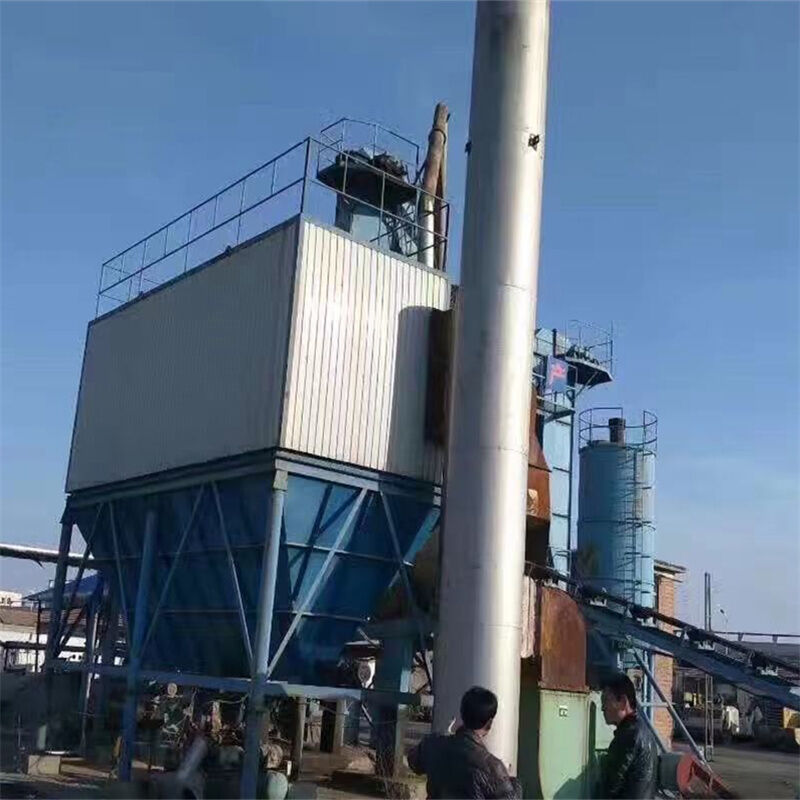
Industrial Electrostatic Precipitator (ESP) for High-Efficiency Dust Collection

Detalles del producto

Lugar de origen: Porcelana

Nombre de la marca: QIAODA

Certificación: ce

Número de modelo: CDWY-80

Pago y términos de envío

Consiga el mejor precio
Resaltar:
Material:
acero al carbono o acero inoxidable
Requisito de mantenimiento:
Bajo a moderado
Eficiencia de recolección de polvo:
Hasta 99,9%
Caída de presión:
Normalmente 1500-2500Pa
Solicitud:
Control de la contaminación del aire industrial
Tipo:
precipitador electrostático
Tipo de instalación:
horizontales o verticales
Capacidad de flujo de aire:
Varía, normalmente entre 10.000 y 500.000 m³/h
Nombre del producto:
Colector de polvo ESP
Voltaje:
Alto voltaje, típicamente 30-100 kV
Rango de temperatura de funcionamiento:
-20°C a 250°C
Dimensiones:
Personalizable en función de la aplicación
Consumo de energía:
Depende del tamaño y la aplicación, normalmente de 1 a 10 kW
Nivel de ruido:
Por debajo de 85 dB
Método de limpieza:
Sistema de golpeteo o chorro de pulso
Material:
acero al carbono o acero inoxidable
Requisito de mantenimiento:
Bajo a moderado
Eficiencia de recolección de polvo:
Hasta 99,9%
Caída de presión:
Normalmente 1500-2500Pa
Solicitud:
Control de la contaminación del aire industrial
Tipo:
precipitador electrostático
Tipo de instalación:
horizontales o verticales
Capacidad de flujo de aire:
Varía, normalmente entre 10.000 y 500.000 m³/h
Nombre del producto:
Colector de polvo ESP
Voltaje:
Alto voltaje, típicamente 30-100 kV
Rango de temperatura de funcionamiento:
-20°C a 250°C
Dimensiones:
Personalizable en función de la aplicación
Consumo de energía:
Depende del tamaño y la aplicación, normalmente de 1 a 10 kW
Nivel de ruido:
Por debajo de 85 dB
Método de limpieza:
Sistema de golpeteo o chorro de pulso
Industrial Electrostatic Precipitator (ESP) for High-Efficiency Dust Collection

High-Efficiency Industrial Dust Collection Solution for Clean Air Emissions
Industrial Electrostatic Precipitators (ESP) are one of the most efficient air pollution control systems for removing fine particulate matter from industrial flue gases. By using a high-voltage electrostatic field, the ESP charges dust particles and collects them on grounded collecting plates, achieving dust removal efficiencies of up to 99.9% while maintaining a very low pressure drop.
Hilida designs and manufactures customized Electrostatic Precipitators for power plants, cement factories, steel mills, metallurgy, chemical processing, waste incineration, and other heavy industries. Every system is engineered according to your flue gas characteristics, dust concentration, and emission standards.

Industrial Electrostatic Precipitator (ESP) for High-Efficiency Dust Collection 0
Product Advantages
High Collection Efficiency
Removes fine dust particles with an efficiency of up to 99.9%, helping factories comply with environmental regulations.
Low Energy Consumption
Compared with many conventional filtration systems, ESPs operate with an extremely low pressure drop, reducing fan power consumption and operating costs.
Suitable for High-Temperature Flue Gas
Designed to handle flue gas temperatures up to 400°C or higher with customized materials.
Low Maintenance
No filter bags or cartridges require regular replacement, significantly reducing maintenance costs and downtime.
Long Service Life
Heavy-duty steel construction and premium electrical components ensure reliable operation for many years.
Large Gas Handling Capacity
Capable of treating flue gas volumes ranging from 10,000 m³/h to over 2,000,000 m³/h.
Working Principle
The Electrostatic Precipitator uses electrostatic forces to separate dust particles from industrial exhaust gas.
Step 1
Dust-laden flue gas enters the gas distribution chamber, where airflow is evenly distributed.
Step 2
A high-voltage transformer-rectifier supplies DC power to the discharge electrodes.
Step 3
The discharge electrodes generate a corona discharge, ionizing the gas and electrically charging dust particles.
Step 4
Charged particles migrate toward the collecting plates and adhere to their surfaces.
Step 5
The automatic rapping system periodically removes accumulated dust from the plates.
Step 6
Dust falls into the hopper and is discharged through the ash conveying system.
Step 7
Clean gas exits the ESP and is released through the chimney.

Productos similares